
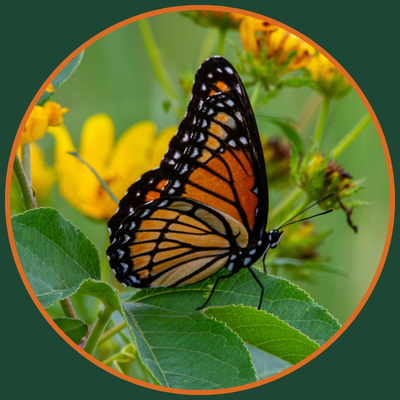
Milkweed plant
Butterfly Pavilion & Research Room
When people imagine a butterfly, many picture the Monarch drifting across a summer sky. Sadly, that sight is becoming far less common. Over the past 20 years, the Monarch population has declined by nearly 90 percent, largely due to the loss of milkweed and native habitat. We want to change that story.
Rural Oregon plays a critical role in butterfly survival. Open landscapes, native plants and pesticide-free spaces can become lifelines for pollinators when managed with intention.
By restoring habitat in the Umpqua Valley and modeling sustainable land care, we help create safe places where butterflies can complete their life cycle.
Raising butterflies at ECEC connects conservation with education and community wellness. Visitors of all ages experience the wonder of each life stage up close while learning how small actions – planting milkweed, protecting eggs, and supporting native ecosystems – can have a lasting impact. These experiences inspire stewardship, curiosity, and a deeper connection to the natural world we all share.
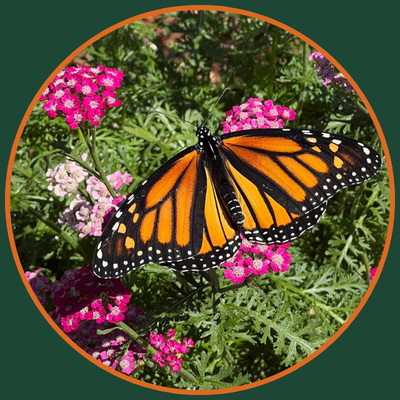
on a Verbena plant
Easily recognized by their bright orange wings with bold black veins, Monarchs are famous for their remarkable long-distance migration. Some travel thousands of miles each year, navigating by the sun and Earth’s magnetic field. Monarch caterpillars rely exclusively on milkweed, making this plant essential to their survival. Watching a Monarch emerge from its chrysalis is a highlight for many pavilion visitors.
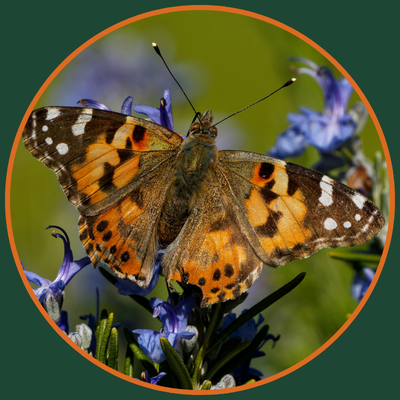
on a Rosemary plant
Painted Ladies display soft orange, black, and white patterns and are among the most widespread butterflies in the world. Unlike Monarchs, they migrate in shorter stages and can appear suddenly in large numbers. These hardy butterflies adapt well to many environments and are known for their energetic flight and quick movements through the pavilion.
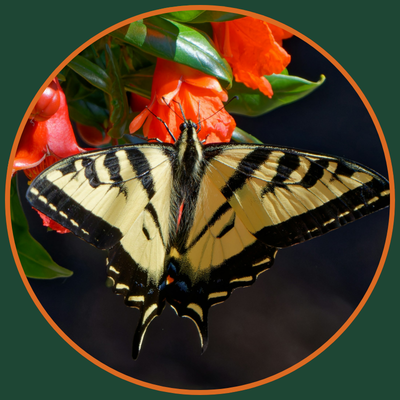
resting on a Fuchsia plant
Our outdoor gardens occasionally attract other native butterflies drawn to blooming nectar plants and host species. These visitors vary by season and weather conditions and offer a glimpse into the diversity of butterflies that call rural Oregon home. Spotting eggs or caterpillars in the garden highlights how important a healthy local habitat is for supporting native pollinators.
What To Expect During Your Visit
The butterfly pavilion at ECEC is an outdoor space enclosed with netting, allowing butterflies to experience natural light and fresh air while staying protected from predators. This open design helps butterflies behave much as they would in the wild.
Rather than controlling temperature or humidity, we work with the environment. Butterflies develop under natural outdoor conditions, supported by healthy host and nectar plants that are tended throughout the season. Our gardens are cared for using pollinator-friendly, chemical-free practices with an emphasis on native plants.
Because the pavilion is outdoors, it can feel warm and humid, especially on sunny days. These conditions support active butterflies and ensure that no two visits are ever exactly the same.
Our dedicated staff and volunteers inspect the pavilion each day, nurturing the plants, monitoring butterfly activity, and ensuring the enclosure stays secure. They are always happy to assist or answer any questions during your visit.
Butterflies at ECEC are raised in alignment with natural life cycles and seasonal timing. Handling is kept to a minimum, allowing butterflies to behave naturally. By providing a safe habitat and education rather than artificial conditions, ECEC models responsible conservation practices.
Visitors are invited to savor the experience by spending ample time in the flight room. Here, you can observe various life stages of butterflies and relish peaceful moments while watching them. Feel free to explore at your own pace and let your curiosity guide you.
Essential Plants For Butterflies
Butterflies rely on specific plants throughout every stage of their life cycle. Establishing and safeguarding these habitats is one of the most effective methods to support butterfly populations.
Host Plants (Where Caterpillars Thrive)
Host plants are crucial since caterpillars can only thrive on particular species.
Milkweed is the exclusive host plant for Monarch caterpillars; without it, Monarchs cannot reproduce.
Thistle, lupine, and mallows support various native butterfly species, offering safe environments for eggs and nourishment for developing caterpillars.
Nectar Plants (Where Adult Butterflies Feed)
Adult butterflies depend on nectar for energy, particularly during migration and reproduction.
Zinnias, coneflowers, asters, verbena, and buddleia supply plentiful nectar and attract a diverse array of butterflies throughout the season.
How To Create A Butterfly Garden At Home
You don’t need a vast area to make an impact! Even a small garden or container can significantly benefit butterflies.
Plant native species whenever possible, ensuring you include at least one host plant for caterpillars.
Provide continuous blooms from spring to fall, guaranteeing butterflies have a consistent food source.
Avoid pesticides and herbicides, as these can be detrimental to eggs, caterpillars, and adult butterflies.
Leave some natural areas undisturbed, such as fallen leaves or stems, which can serve as shelter for butterflies.
Add shallow water or damp soil, creating a safe space for butterflies to drink and gather essential minerals.
By planting with purpose, home gardens can transform into vital stepping stones that support butterflies in thriving across rural Oregon.
Partners who are supporting our butterfly program this year: